

 Models
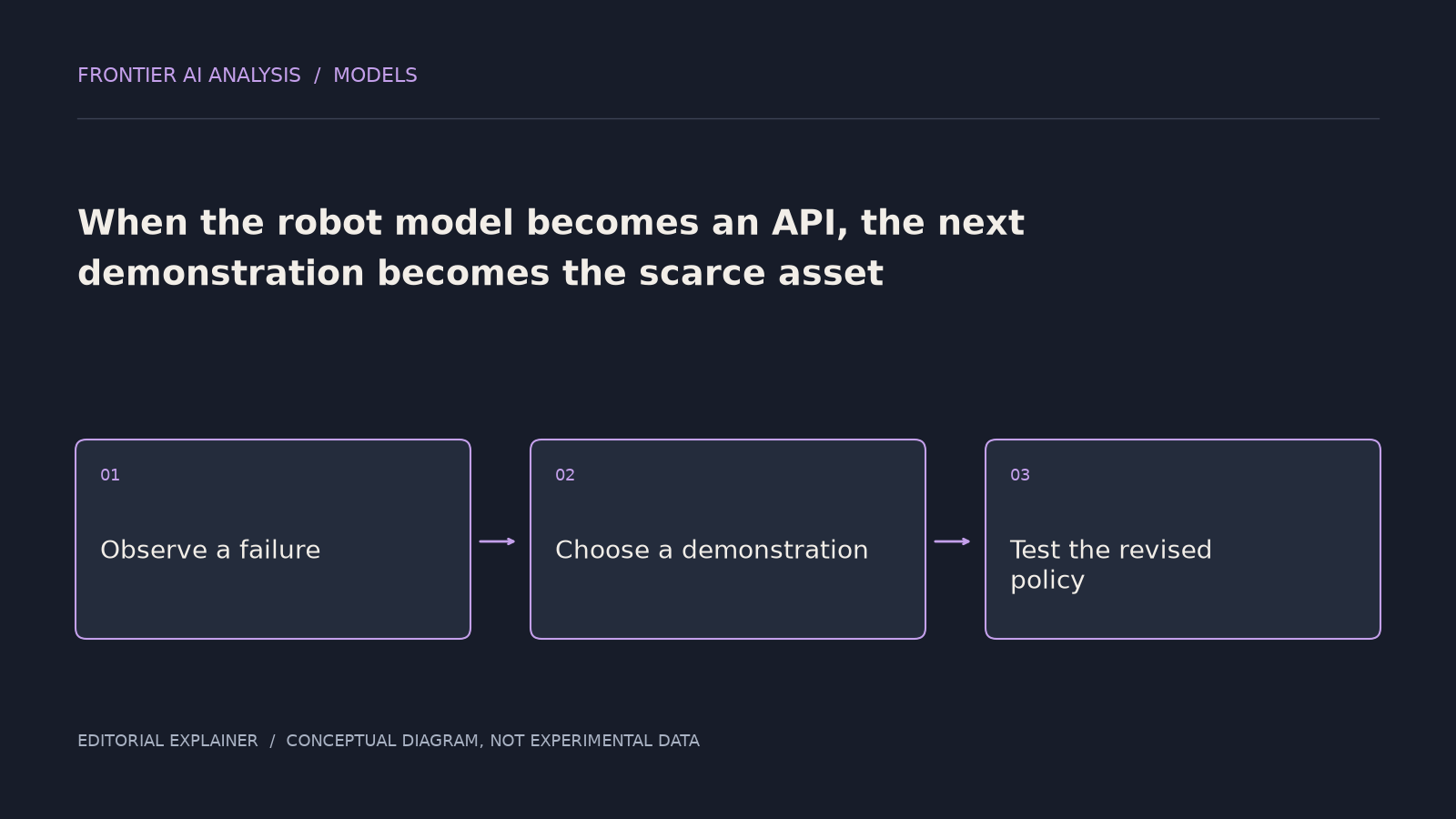
When the robot model becomes an API, the next demonstration becomes the scarce asset
Physical Intelligence’s beta shifts attention from obtaining a model to knowing exactly what to teach it next.
Model releases and architectures: what changes in capability, efficiency and control.
LLMs · VLMs · VLAs · World models · Image, video & audio · Embeddings
12 articles
ModelsPhysical Intelligence’s beta shifts attention from obtaining a model to knowing exactly what to teach it next.
 Models
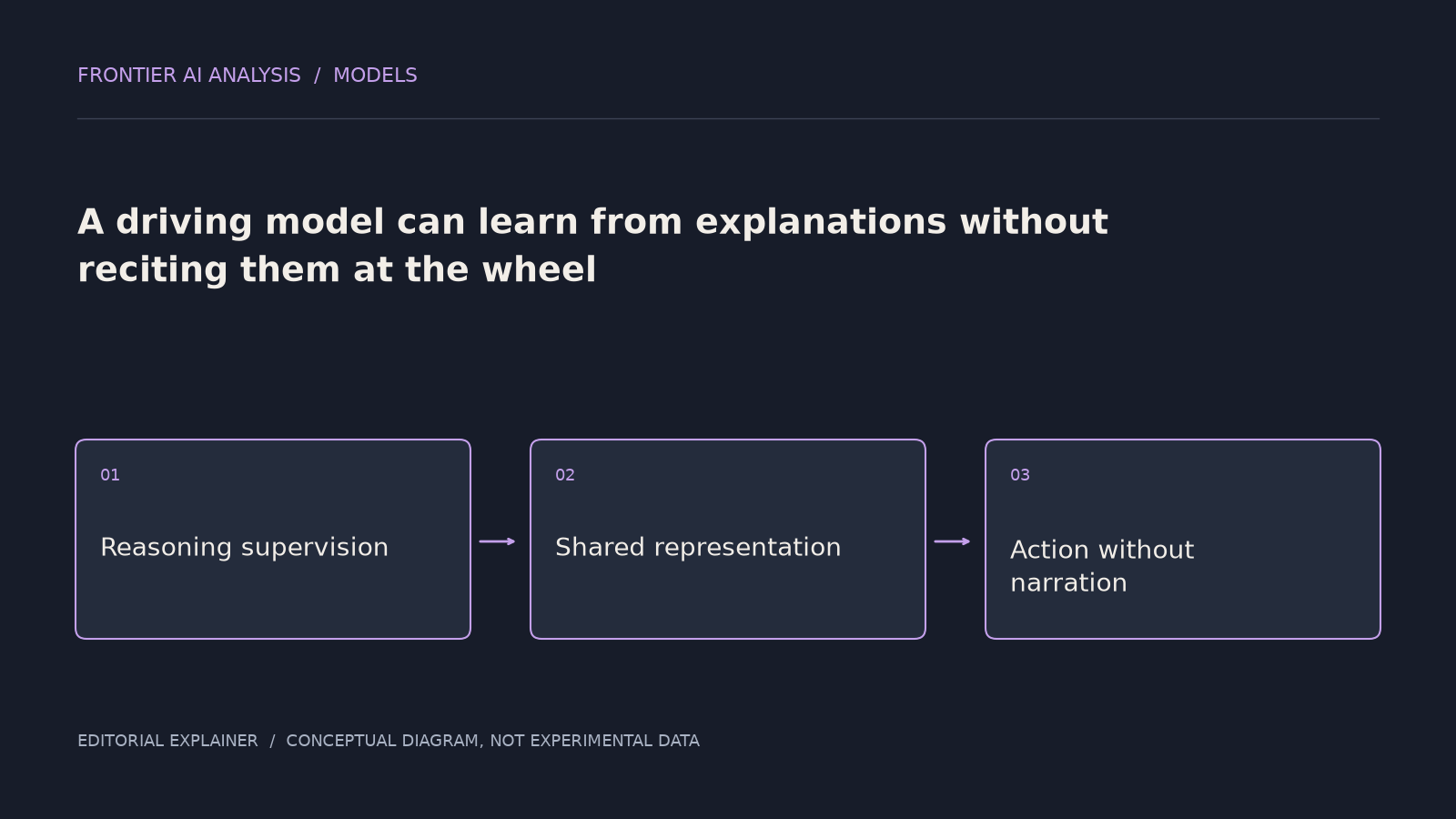
AUGUstus puts reasoning supervision into training while allowing action-only inference. That also changes what an explanation can prove.
 Models
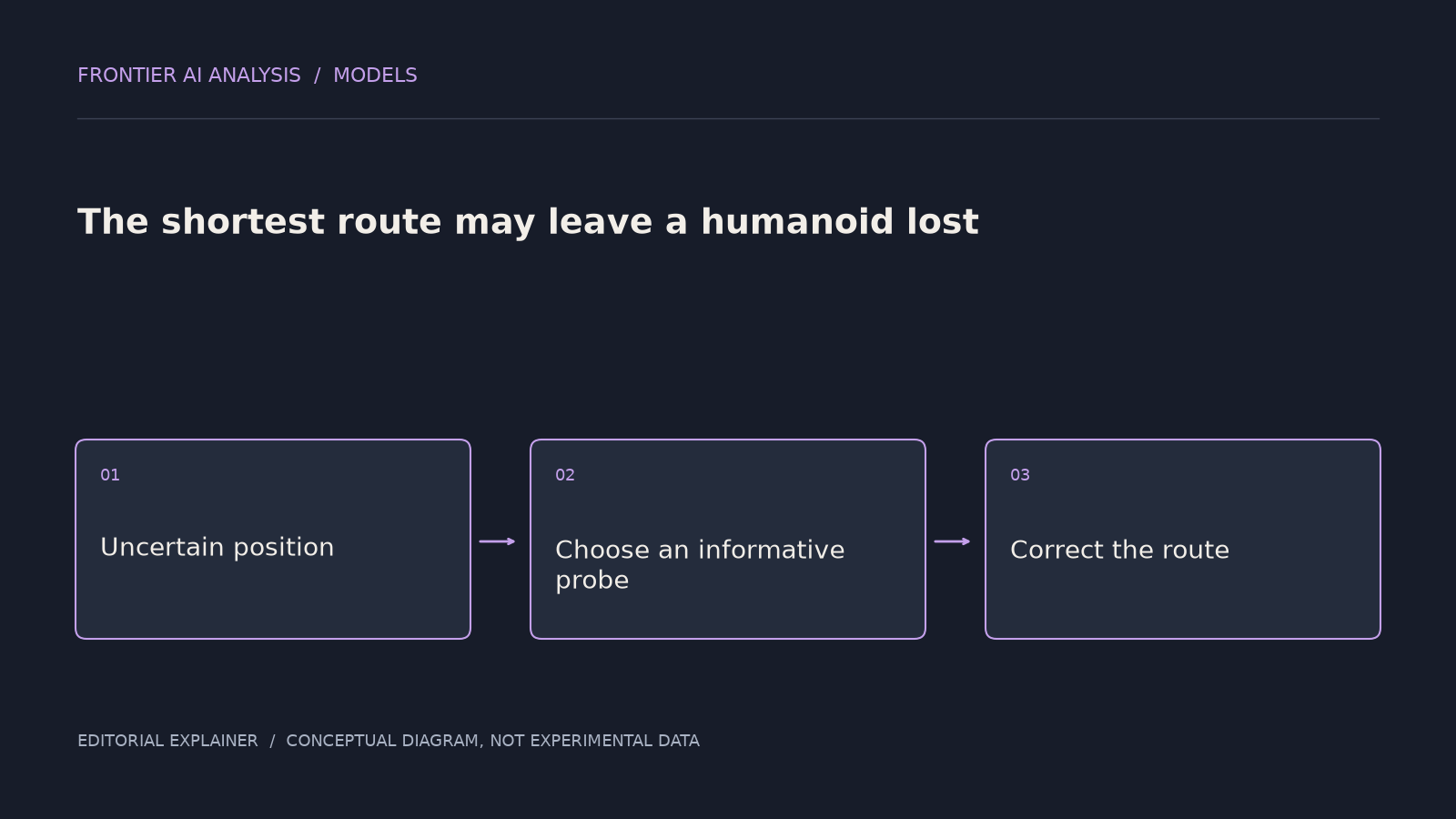
TapNav plans contact with the surroundings because a slightly longer walk can produce a better estimate of position.
 Models
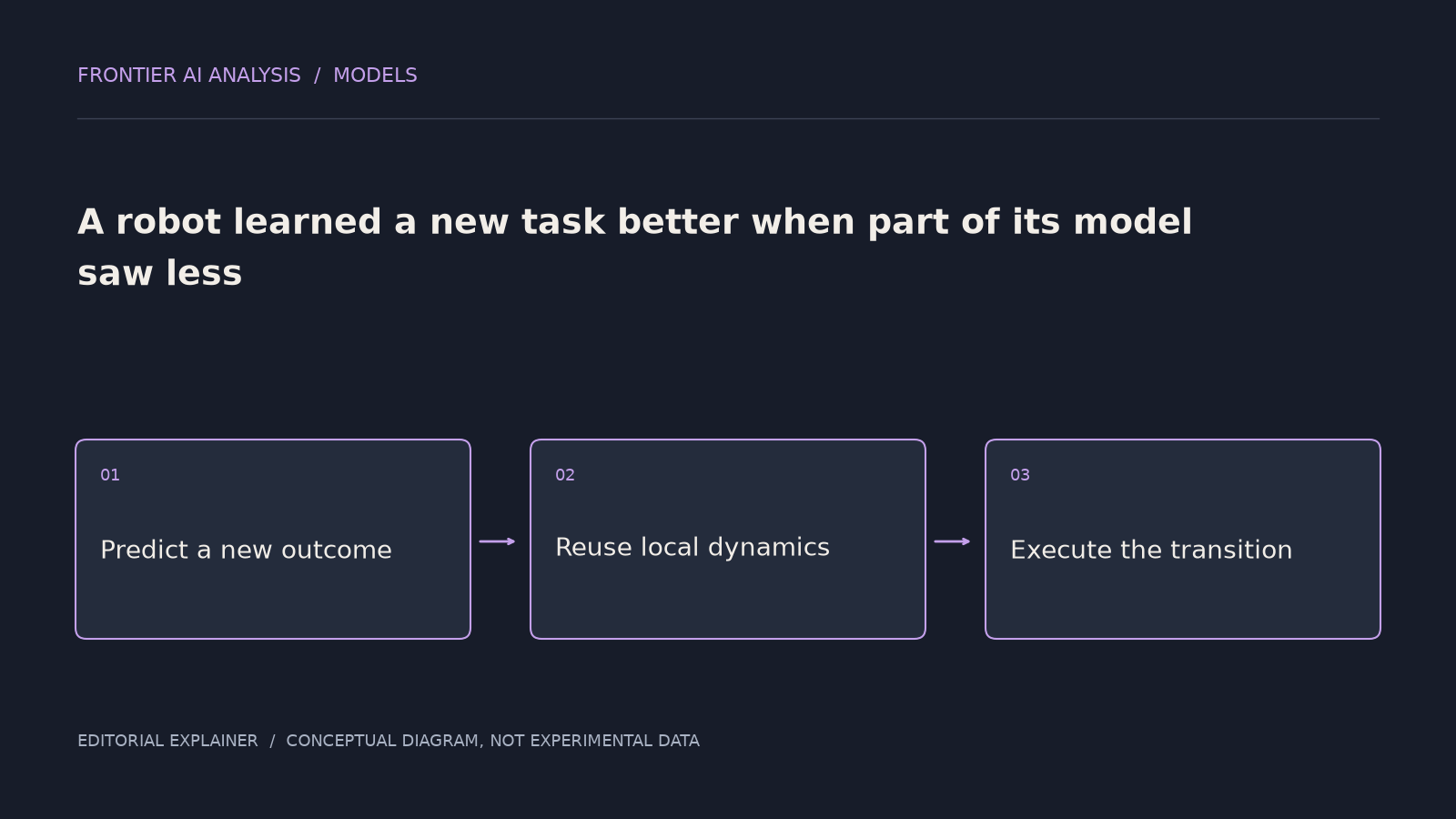
An OpenWAM experiment suggests that stripping context from a motor component can make it easier to reuse.
 Models
Anthropic brings adjustable reasoning to its small-model tier. The savings depend on what survives the handoff to a larger model, not just the price of the first answer.
 Models
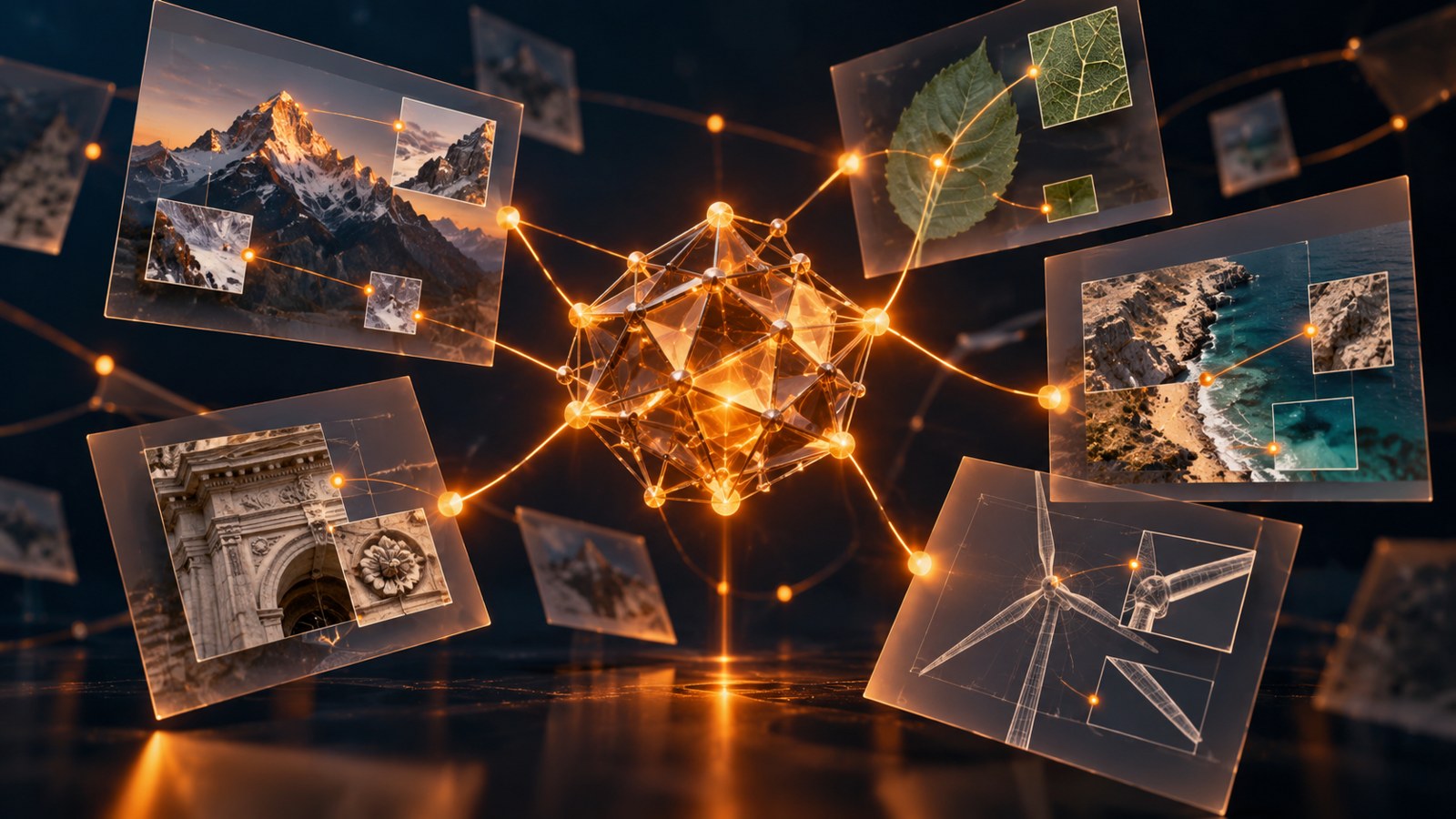
The multimodal preview highlights a costly blind spot in document AI: a plausible answer may come from the wrong chart, label or footnote. Test what the model saw before scoring what it concluded.
 Models
Reflection trains its model to avoid unnecessary reasoning tokens. The business test is whether it removes wasted work without increasing failed attempts or human correction.
 Models
Google’s compact model searches across text, images, video and audio in a shared representation. Its useful advantage may be a simpler retrieval pipeline, provided it finds the records that actually matter.
 Models
DeepSeek separates the work of reading from answering and reports a smaller context cache. For long-running systems, the opportunity is to retain useful evidence at a lower cost—not simply generate tokens faster.
 Models
OpenAI positions Sol near its pricier Astra on selected evaluations. The practical opportunity is moving routine work to a cheaper model while identifying the exceptions that still need more capability.
 Models
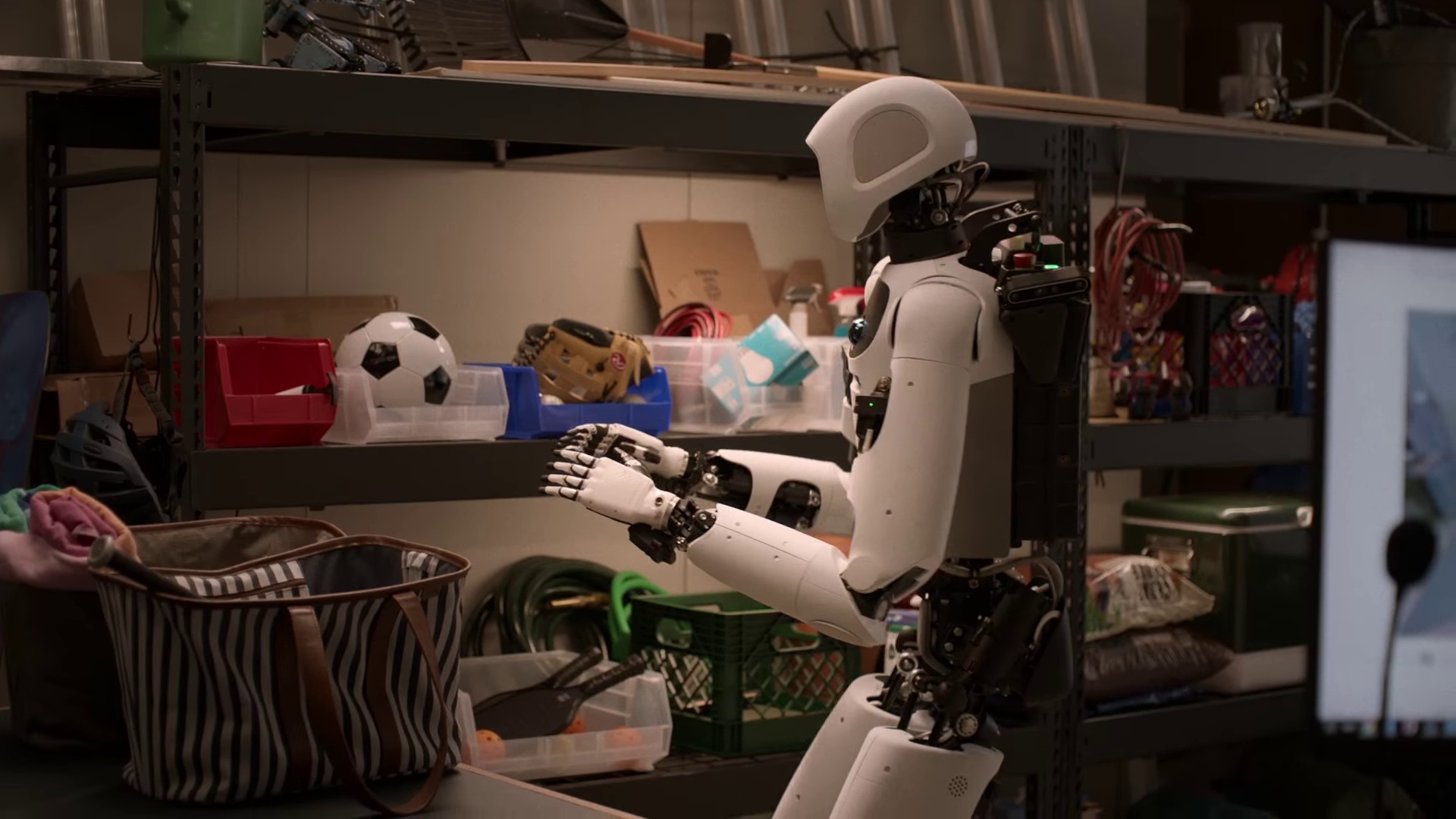
Google DeepMind’s transfer claims point to a potentially scalable model business: reuse learned skills across different bodies. The test is total adaptation effort, including data collection and validation.
 Models
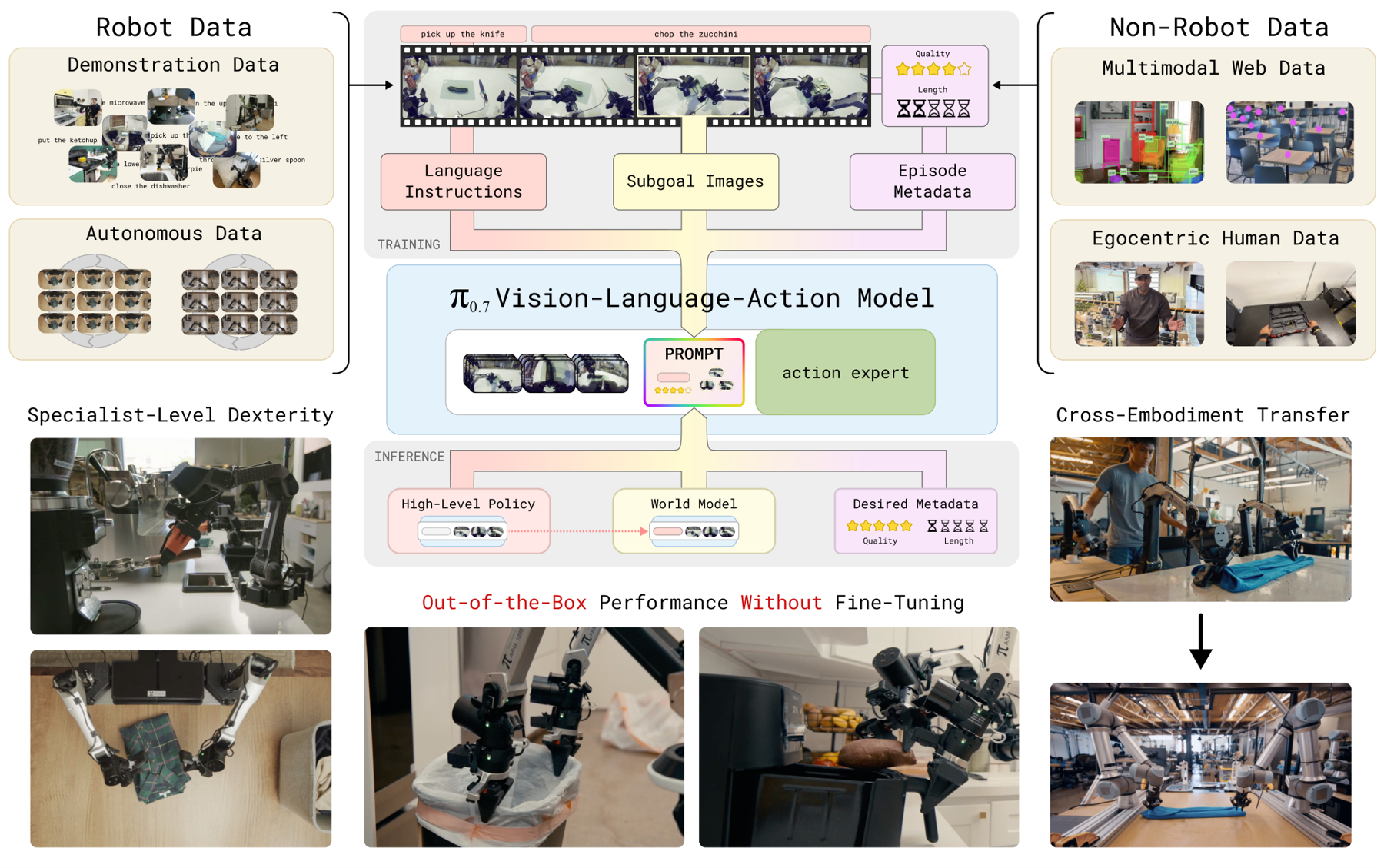
The steerable model explores whether richer instructions can reuse skills already learned. The business opportunity is fewer new demonstrations; the unresolved cost is the human guidance needed to make it work.
Explore the other topics in this desk.