

 Training
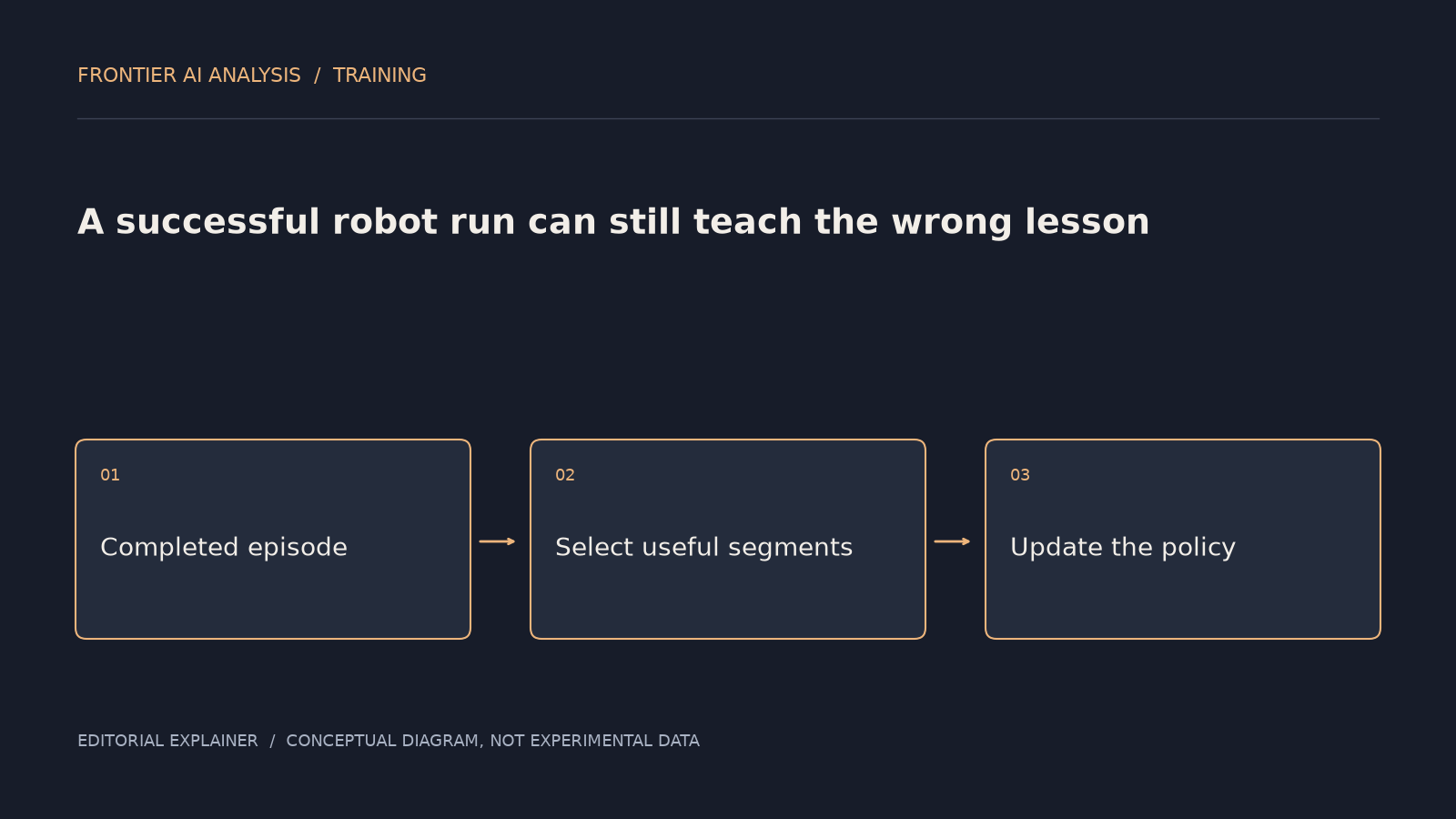
A successful robot run can still teach the wrong lesson
Evo-RL selects useful segments within successful experience, challenging the habit of treating an entire completed episode as an expert demonstration.
Pre-training and post-training advances that change the cost, speed and behavior of AI models.
Pre-training · Post-training
8 articles
TrainingEvo-RL selects useful segments within successful experience, challenging the habit of treating an entire completed episode as an expert demonstration.
 Training
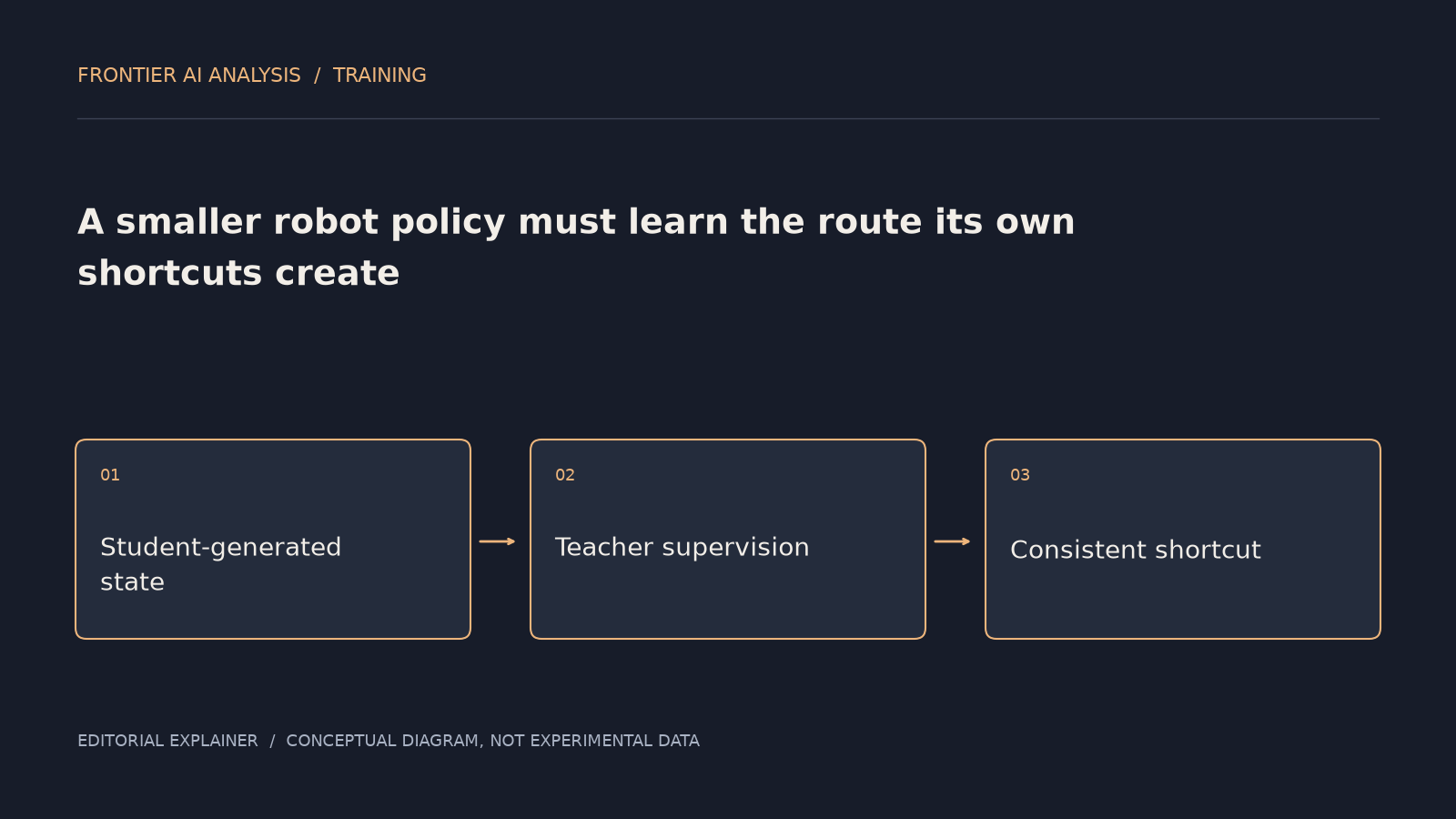
FastOPD reduces both model size and sampling steps. Its on-policy supervision addresses the states introduced by that compression.
 Training
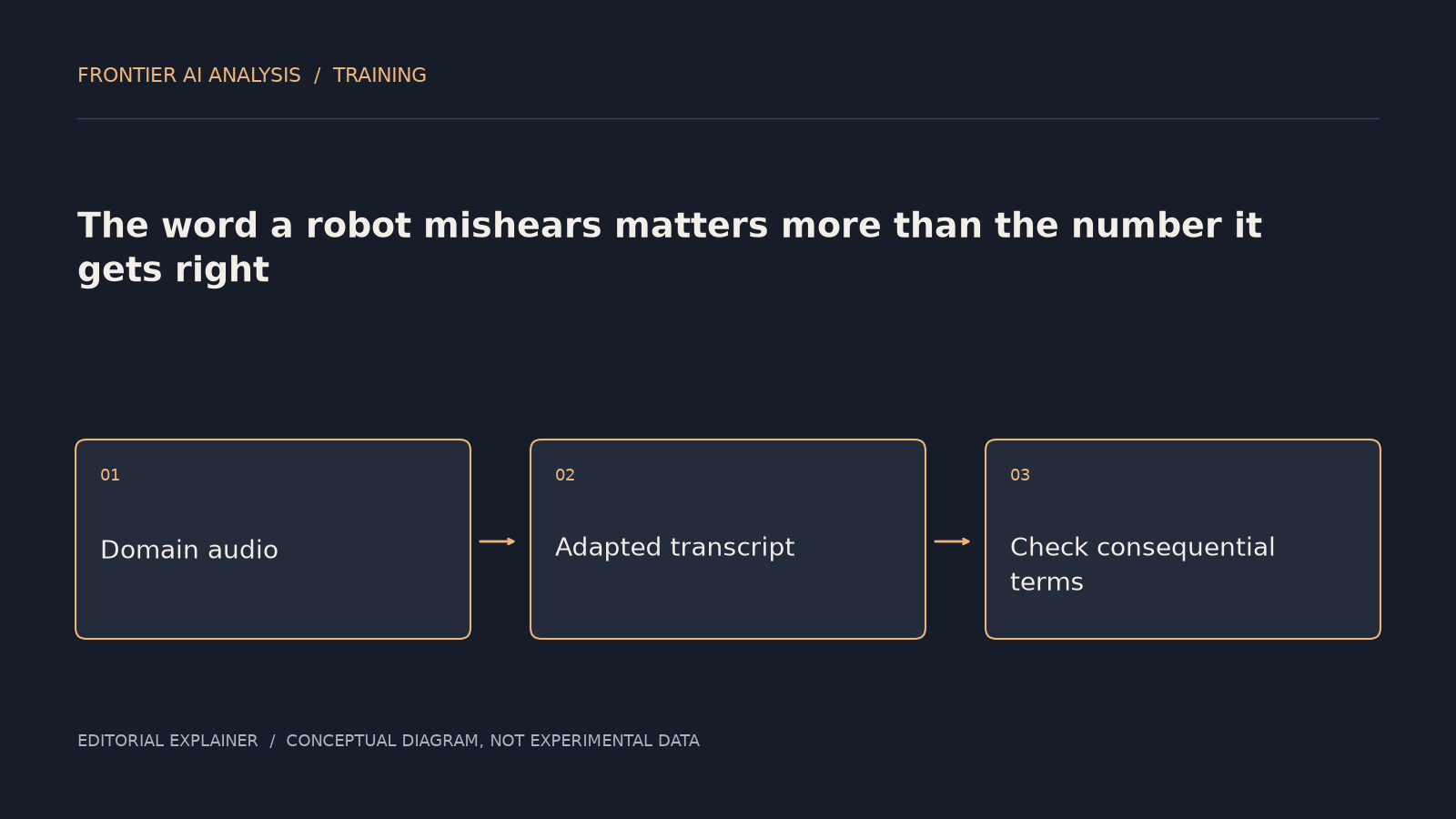
NVIDIA’s aviation speech study shows the value of domain adaptation—and why aggregate transcription scores are only the start for physical interfaces.
 Training
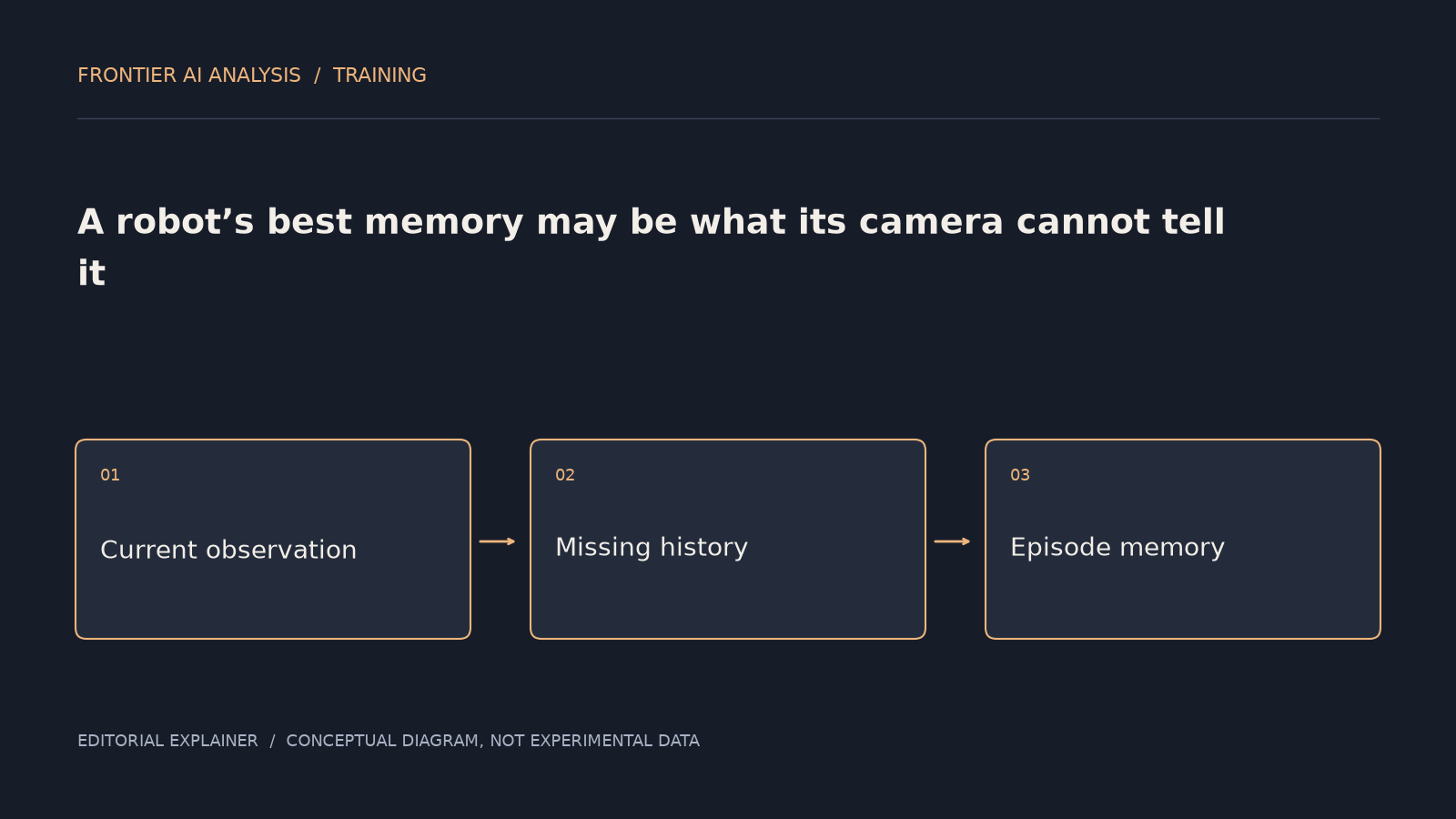
TTT-RM treats memory as the missing part of the present, rather than a larger archive of the past.
 Training
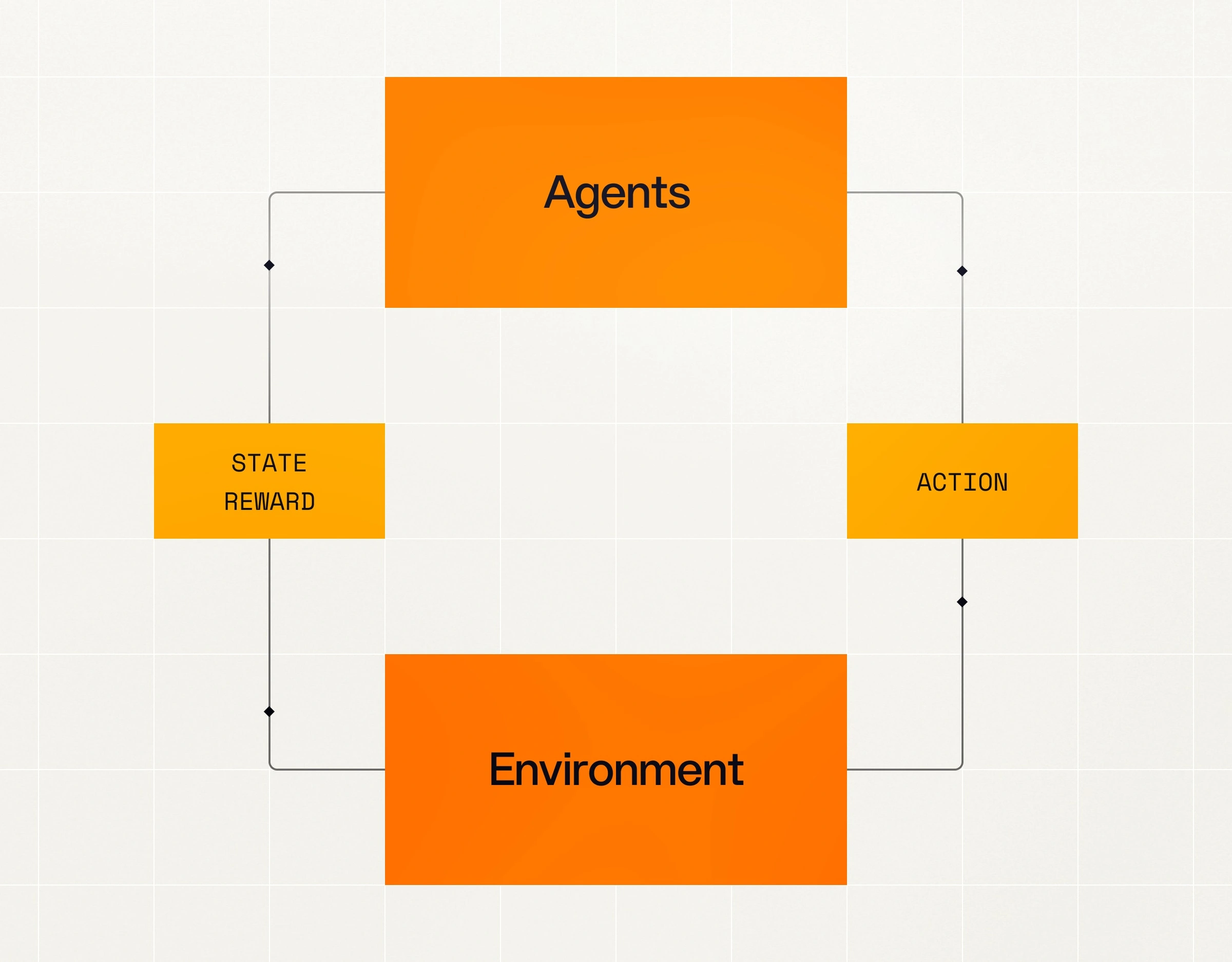
Large 4’s reinforcement-learning account highlights the work of keeping tasks useful as the learner improves. More generated attempts can otherwise repeat mastered skills or stale experience.
 Training
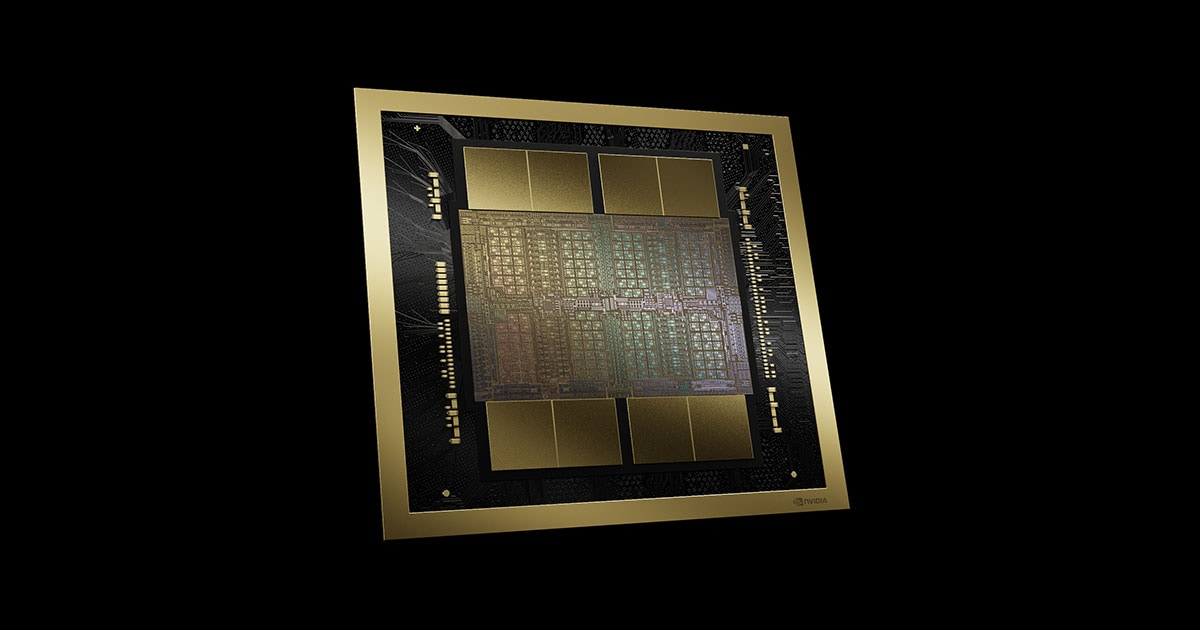
Nemotron 3 Ultra uses four-bit training with higher-precision exceptions. The opportunity is more useful research per budget, provided stability and downstream quality survive.
 Training
Expensive GPUs can still spend time waiting on slower operations. Research from Together AI and five other organizations shows how better scheduling can turn more of that hardware into useful work.
 Training
ReViSQL targets SQL queries that return the expected answer for the wrong reason. Its lesson for specialist models is to improve the definition of success, not simply expand the dataset.
Explore the other topics in this desk.